|
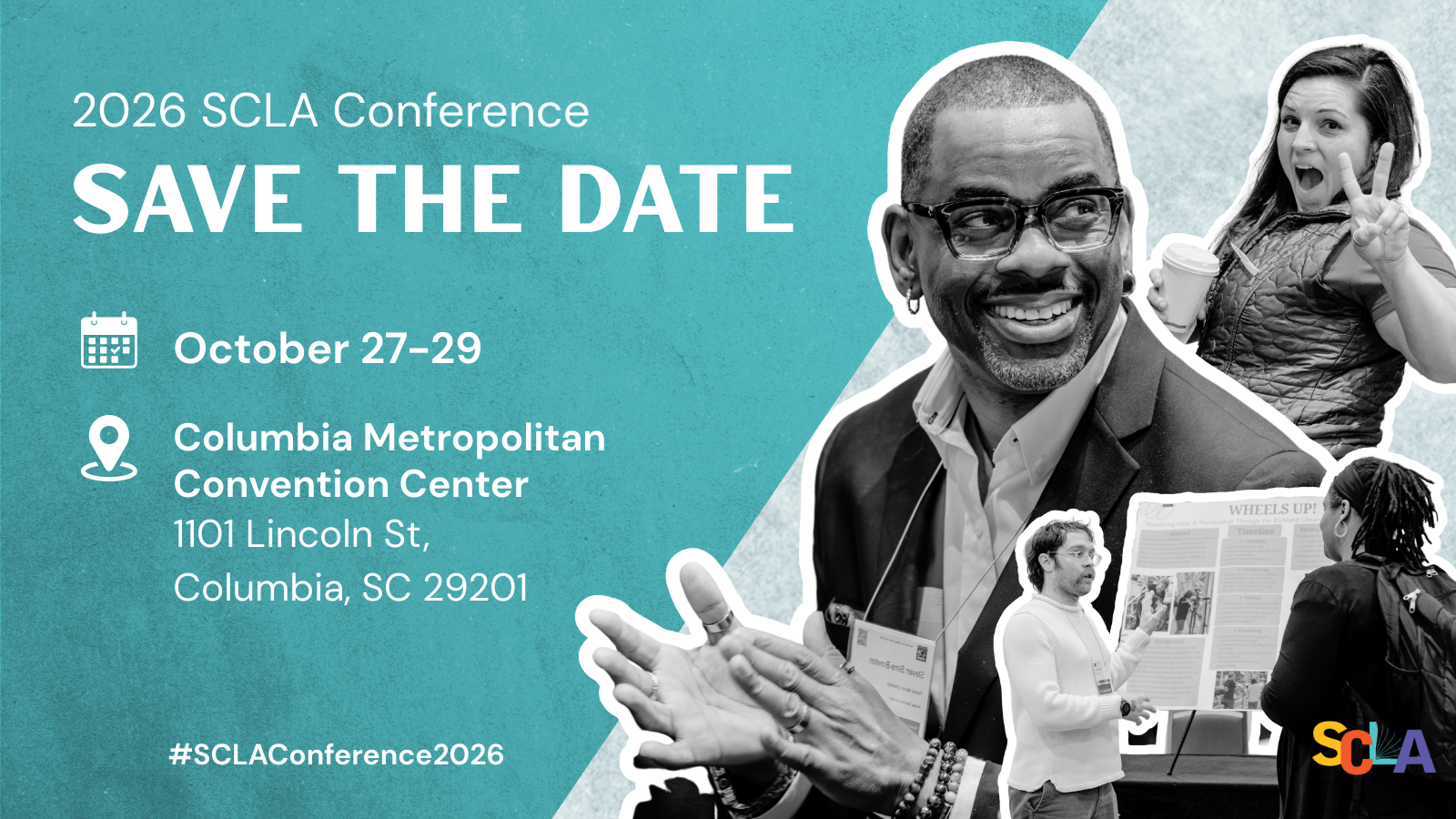
The South Carolina Library Association is hard at work planning for the 2026 SCLA Conference! Our Conference Planning Committee is already hard at work creating an engaging and inspiring experience for library professionals across the state. From researching dynamic speakers to planning fun networking opportunities and organizing memorable author luncheons, the committee is focused on building a conference that brings South Carolina’s library community together to learn, collaborate, and celebrate the important work happening in our libraries.
Save-the-DateTuesday, October 27 – Thursday, October 29, 2026 LocationColumbia Metropolitan Convention Center1101 Lincoln Street Columbia, SC 29201 Stay Tuned for UpdatesAdditional conference details will be shared in the coming months, including:
Join SCLANot yet a member of the South Carolina Library Association? Becoming a member is a great way to stay connected with the library community across the state, access professional development opportunities, and receive updates about the annual conference and other SCLA events.
Join SCLA
If you are interested in being more involved in advocacy, consider joining the:
Institutional Membership Is Here!
We are excited to announce our new opportunity for institutional membership! At any level, this membership will provide the full benefits of SCLA for your library’s entire staff (full-time and part-time). These benefits include access to resources and professional development that may have been inaccessible in the past due to costs or job function along with the convenience of paying for all staff memberships in a single transaction. To learn more, view this flier: SCLA Institutional Membership.
Support for You and Your LibraryYour membership supports SCLA’s aggressive and productive efforts in the state and nationally to assure that South Carolina’s libraries are well-funded and maintain their national standing as the very best. We are a state chapter of the American Library Association (ALA) and an affiliate of the Southeastern Library Association (SELA). The association is made of librarians from all around our state South Carolina dedicated to providing innovative services and promoting libraries and intellectual freedom to all our citizens including the public, as well as those in higher education and in our schools. The Benefits of Membership
SCLA Continuing Education WebinarsView all previous webinars on the SCLA YouTube Channel.To submit a webinar proposal, go to: https://forms.gle/CXkeXHwbUcrtCg6A8 |
Announcements

SCLA is now part of the Kroger Community Rewards Program! Every time you shop at Kroger, you can support libraries across South Carolina—at no extra cost to you.
Here’s how to join:
- Visit kroger.com
- Log in or create an account
- Search for SOUTH CAROLINA LIBRARY ASSOCIATION or use code LC252
- Click Enroll and start shopping!
Every grocery trip helps strengthen our library community.
South Carolina Digital Library
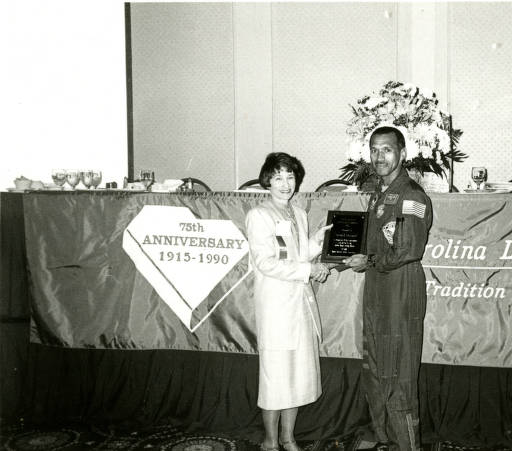
This digital collection curated by the South Carolina Digital Library showcases 100 years of SCLA history, including photographs, conference brochures, and publications.
Upcoming Events
Thu Jun 25, 2026 Library Marketing and Outreach Round Table Meeting Category: Committee, Section, or Round Table Meeting |
Thu Jul 23, 2026 Library Marketing and Outreach Round Table Meeting Category: Committee, Section, or Round Table Meeting |
Thu Aug 27, 2026 Library Marketing and Outreach Round Table Meeting Category: Committee, Section, or Round Table Meeting |